 English
|
ECDOE AND PARTNERS UNITE TO ADVANCE INCLUSIVE EDUCATION IN THE PROVINCE
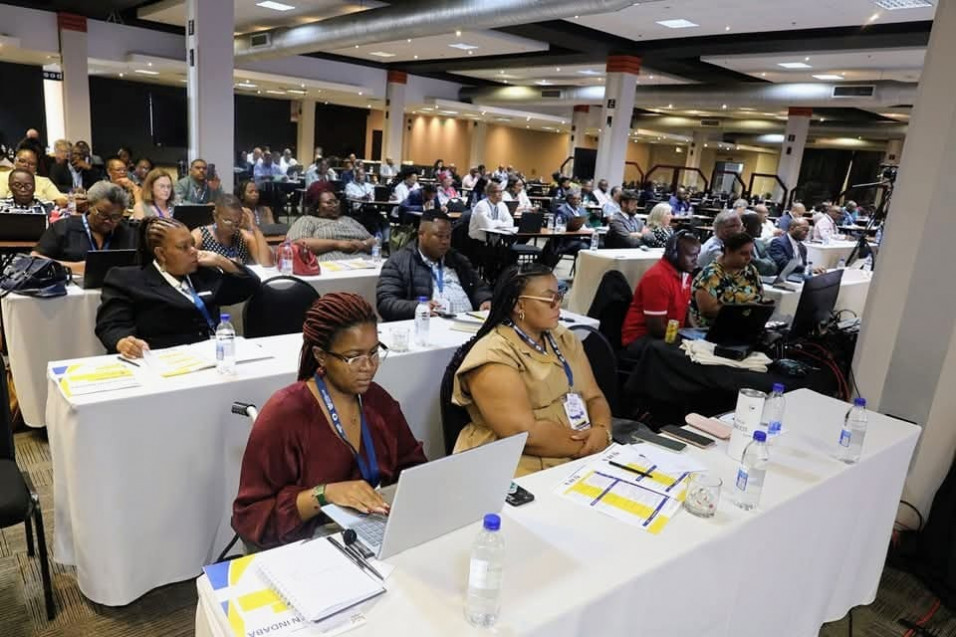
The Eastern Cape Department of Education (ECDoE), in collaboration with the Disability Economic Empowerment Trust (DEET), took a significant step towards advancing inclusive education during the Eastern Cape Inclusive Education Indaba held at the East London ICC from 11–12 November 2025. The gathering brought together departmental officials, district directors, traditional leaders, educators, policymakers, disability advocates, academics, and various stakeholders to address persistent barriers to learning faced by children with special needs. According to the latest Disability Statistics South Africa report, an estimated 15.7% of the population lives with some form of disability. This then tells you that there is a need to integrate learners with disabilities into the mainstream schooling system, as society does not exist in separate, specialised segments. Education must therefore serve as a catalyst, equipping these learners with the skills and confidence to live full, unrestricted lives free from unnecessary barriers. In his keynote address, MEC Fundile Gade emphasized that disability is a societal responsibility. He highlighted the importance of exploring scientific advancements such as gene modification and called for a schooling system that not only ensures access but also provides content that reflects learners’ realities and empowers them to participate meaningfully in the economy. Scientific advancements may one day correct genetic conditions before or shortly after birth, reducing the prevalence of certain disabilities, easing pressure on special schools and inclusive programmes. However, As the education sector evolves to become more inclusive, significant progress is still required in equipping teachers with the skills needed to meet the demands of a changing system. Jabulani Ngcobo, Director for Inclusive Education at the Department of Basic Education (DBE), commended teachers for their dedication and reaffirmed the department’s commitment to strengthening capacity through ongoing training and improved resources. “We are proud of the work our teachers are doing, and we plan to support them with skills training to make teaching and learning easier,” he said. Indeed, education is a societal matter as pronounced by the former Education Minister, Angie Motshekga. A collective effort is required to advance access, reasonable accommodation, and equity. Thabiso Pethuka, CEO of the Eastern Cape Disability Economic Empowerment Trust, underscored the importance of partnerships in amplifying the voices of learners with disabilities. He noted that challenges such as poverty, under-resourced schools, and long distances to specialized facilities make inclusive schools within communities essential for relieving the burden on families. To close these gaps, the ECDoE is implementing a range of programmes aimed at improving access and promoting inclusivity in schools. This includes the infrastructure programme, through which newly built schools are designed to accommodate all learners, both with and without disabilities. In addition, the department is providing learning and teaching support materials to schools to strengthen the teaching and learning process, with the next phase focusing on district-led practical training to ensure the effective utilisation of these resources. The ECDoE also continues to implement and support the Differentiated Curriculum (DCAPS) and the Technical Occupational Curriculum (TOC), both designed to respond to diverse learning needs. These programmes focus on functional and practical requirements, ensuring that learners with varying abilities receive relevant, accessible, and empowering education. The Indaba reaffirmed that inclusive education is a shared responsibility. Through strengthened collaboration and targeted interventions, the province aims to build a system where no learner is left behind. |