 English
|
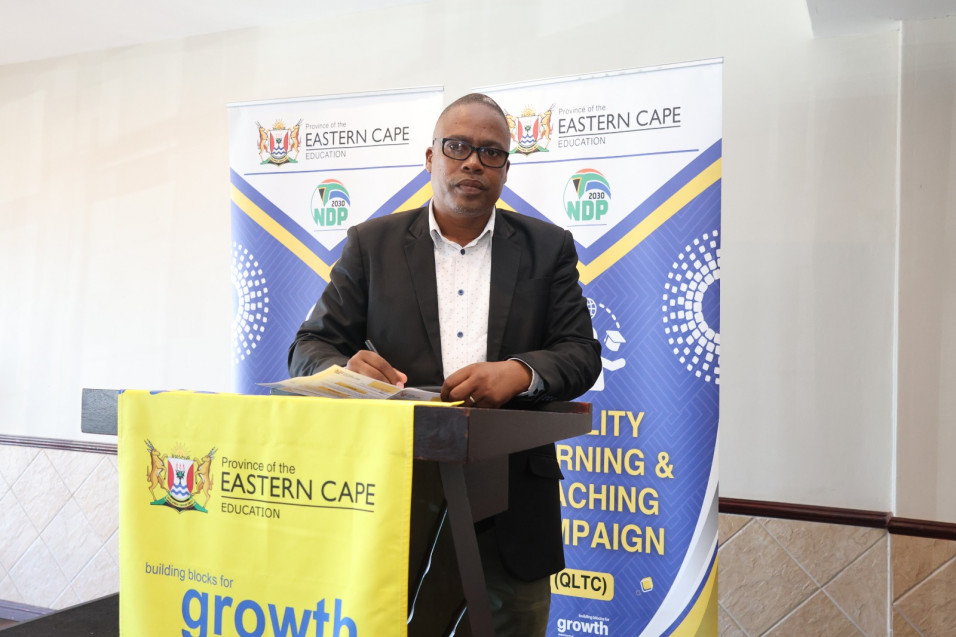
CHARTING THE COURSE: EC EDUCATION ADVISORY COUNCIL CONVENES FOR THE 1ST QUARTERLY MEETING The Eastern Cape Education Advisory Council (ECEAC), convened its first quarterly meeting of 2025, bringing together education leaders, and stakeholders to deliberate on key priorities shaping the education landscape. The session provided a platform to review progress made, address persistent challenges, and strengthen collaborative strategies aimed at improving learner outcomes and advance quality education across the province. Chaired by Prof Mzuyanda Mavuso, the meeting reaffirmed the crucial role of the Advisory Council in providing advice and guidance to the Member of the Executive Council (MEC) on policy matters in the department. Members reflected on progress achieved in the previous quarter and explored innovative approaches to strengthen stakeholder involvement and collective action in addressing systematic barriers to learning. Some of the key issues that the council deliberated on extensively, deemed as persistent challenges facing education were: Scholar Transport, School nutrition, School safety with a special focus on the recent sexual abuse incidents in our schools, as well as School Rationalisation and Realignment. The Head of Department, Sharon Maasdorp who had attended the meeting, outlined the 2025 departmental priorities, challenges, and milestones. She emphasized the importance of collaboration to untie bottle necks that may be a hindrance in the provision of quality learning. She further placed a strong emphasis on intergovernmental integration, underscoring that the core business of the education sector remains teaching and learning. She tasked the Council with exploring innovative ways to strengthen collaboration between government departments particularly in critical areas such as scholar transport and called on members to provide expert advice to guide these efforts. A key concern to the department is the challenge posed by small and unviable schools, which place additional pressure on already strained resources. The Council committed to supporting the Department in ensuring that the process of school rationalization and realignment is implemented smoothly and sensitively without compromising learners’ access to education. A significant part of the discussion focused on highlighting achievements in areas of Early Childhood Development (ECD), literacy and numeracy improvement, inclusive education, and the ongoing roll-out of infrastructure projects. Chulekazi Xundu-Bula, Chief Director Curriculum gave a detailed report on interventions aimed at strengthening teaching and learning, including the establishment of professional learning communities, teacher development programmes, and strategies to enhance learner support services. The meeting concluded with the Council reaffirming its role as a strategic partner to the Department, providing advice and facilitating dialogue that bridges policy, practice, and community perspectives. |